Testing & Maintenance

Medium-Voltage Cable Testing

VLF withstand, tan delta, and partial discharge testing for medium-voltage cable. We confirm new installations and assess aged insulation before it fails in service.

Scope

Acceptance · maintenance · diagnostic testing

Deliverable

Detailed technical test documentation

Standards

IEEE 400 · 400.2 · ANSI/NETA ATS/MTS
Medium-Voltage Cable Testing – NewEra Testing

Service Overview

Insulation proven under test, not under load.

Cable failures rarely begin the day a feeder trips. Installation damage, poor splice workmanship, and water treeing degrade insulation quietly for years. NewEra Testing performs field testing of shielded cable systems per IEEE 400 and ANSI/NETA specifications, from VLF withstand on new runs to tan delta and partial discharge diagnostics on aging circuits. Results are documented as baselines for future trending.

Equipment covered

Shielded power cable, 5–35 kV

XLPE and EPR insulated cable

Paper-insulated lead-covered (PILC) cable

Terminations and separable connectors

Inline splices and transition joints

Switchgear and transformer feeders

Motor and generator feeders

Solar and wind collection circuits

Testing & Capabilities

Withstand and Diagnostic Testing for Shielded Cable Systems

Pass/fail withstand confirms the installation. Diagnostic testing reveals how the insulation is aging. We apply both, matched to cable type, age, and criticality.

01

VLF AC Withstand Testing

Very low frequency withstand at levels per IEEE 400.2, confirming insulation integrity on new, spliced, or repaired cable.

01

VLF AC Withstand Testing

Very low frequency withstand at levels per IEEE 400.2, confirming insulation integrity on new, spliced, or repaired cable.

02

Tan Delta Diagnostics

Dissipation factor measured across voltage steps, with stability and tip-up trends flagging moisture ingress, water trees, and aged insulation.

02

Tan Delta Diagnostics

Dissipation factor measured across voltage steps, with stability and tip-up trends flagging moisture ingress, water trees, and aged insulation.

03

Partial Discharge Assessment

Offline PD measurement to locate and characterize discharge activity in terminations, splices, and cable sections before it becomes a fault.

03

Partial Discharge Assessment

Offline PD measurement to locate and characterize discharge activity in terminations, splices, and cable sections before it becomes a fault.

04

Insulation Resistance Testing

Megohmmeter readings taken before and after withstand testing to baseline insulation condition and confirm readiness for energization.

04

Insulation Resistance Testing

Megohmmeter readings taken before and after withstand testing to baseline insulation condition and confirm readiness for energization.

05

Shield Continuity & Phasing

Metallic shield continuity and phase identification verified end to end before cable is connected to switchgear or transformers.

05

Shield Continuity & Phasing

Metallic shield continuity and phase identification verified end to end before cable is connected to switchgear or transformers.

06

Termination & Splice Inspection

Visual and mechanical inspection of accessible terminations, splices, shield grounding, and supports, with bolted connections checked to manufacturer torque values.

06

Termination & Splice Inspection

Visual and mechanical inspection of accessible terminations, splices, shield grounding, and supports, with bolted connections checked to manufacturer torque values.

Applicable Standards

Performed to recognized industry standards.

IEEE 400

Field Testing and Evaluation of the Insulation of Shielded Power Cable Systems

IEEE 400.2

Field Testing of Shielded Power Cable Systems Using Very Low Frequency (VLF)

IEEE 400.3

Partial Discharge Testing of Shielded Power Cable Systems in a Field Environment

ANSI/NETA ATS

Acceptance Testing Specifications for Electrical Power Equipment and Systems

ANSI/NETA MTS

Maintenance Testing Specifications for Electrical Power Equipment and Systems

From the Field

Methodology

How every job runs.

01

Scope & Review

We review drawings, one-lines, and the settings issued by the engineer of record or client before mobilizing.

01

Scope & Review

We review drawings, one-lines, and the settings issued by the engineer of record or client before mobilizing.

02

Safe Mobilization

Job briefing, hazard awareness, arc flash precautions, and proper PPE are in place before any test begins.

02

Safe Mobilization

Job briefing, hazard awareness, arc flash precautions, and proper PPE are in place before any test begins.

03

Test & Verify

Relay settings are applied and verified; equipment is tested against ANSI/NETA and manufacturer acceptance criteria.

03

Test & Verify

Relay settings are applied and verified; equipment is tested against ANSI/NETA and manufacturer acceptance criteria.

04

Document & Deliver

Detailed technical documentation records results, as-left settings, and deficiencies — ready for your records and the next test cycle.

04

Document & Deliver

Detailed technical documentation records results, as-left settings, and deficiencies — ready for your records and the next test cycle.

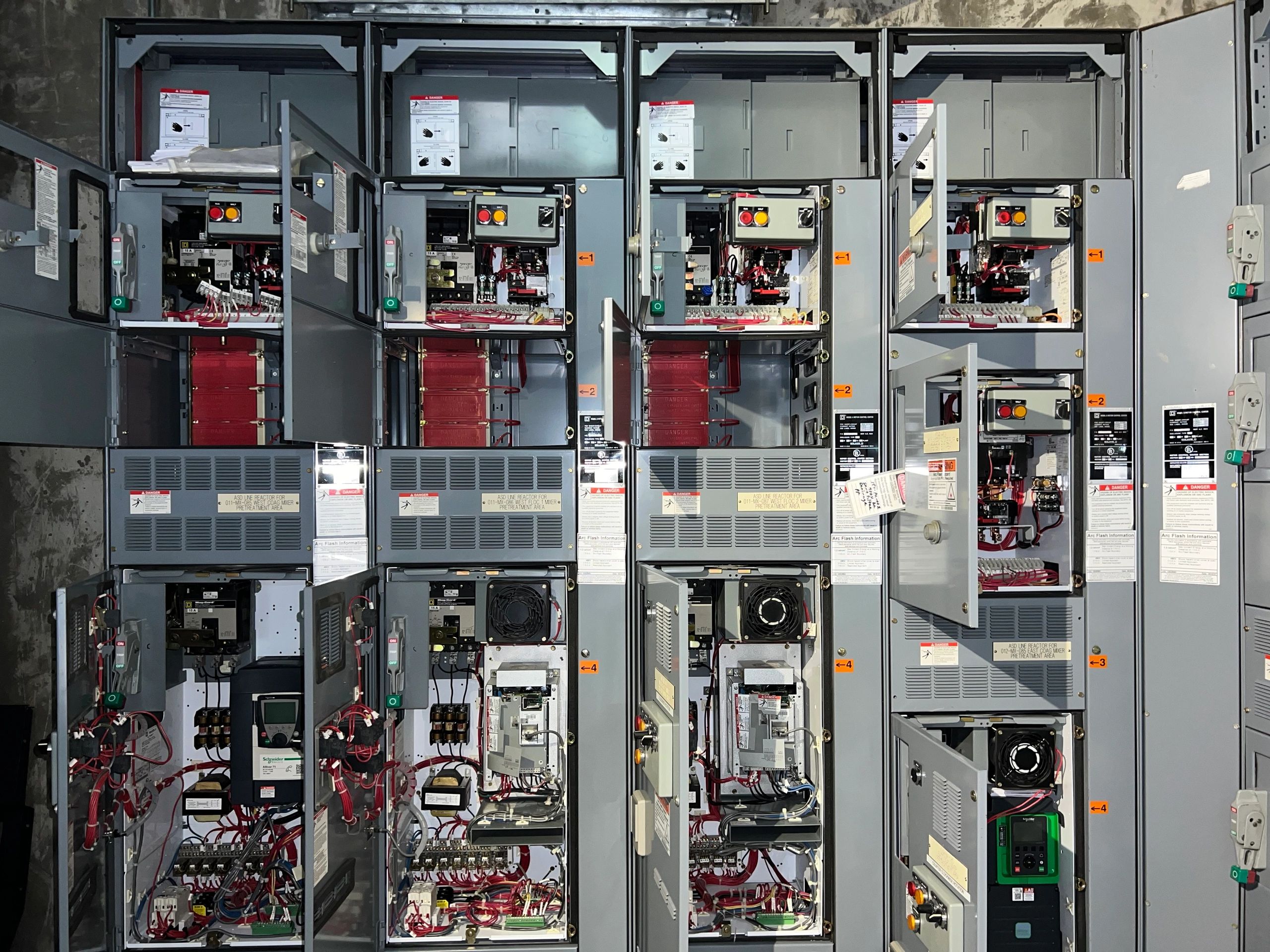
Switchgear lineup in an electrical room

FAQs

Answers to common questions

What is the difference between VLF withstand and tan delta testing?

A VLF withstand is a pass/fail test. It applies elevated voltage for a set duration to prove the cable can hold it. Tan delta is diagnostic. It measures insulation losses to grade condition and identify circuits that need attention before failure.

Why VLF instead of DC hipot on medium-voltage cable?

DC hipot can trap space charge in aged extruded insulation such as XLPE, which may accelerate failure after the cable returns to service. VLF testing, addressed in IEEE 400.2, stresses insulation in a way closer to service conditions.

When should medium-voltage cable be tested?

At acceptance, after installation and before energization. After splicing, repair, or a fault event. And periodically as part of a maintenance program, where diagnostic results trended against earlier baselines show whether insulation condition is stable or declining.

What happens if a cable fails a withstand test?

Testing stops and the circuit remains de-energized. The failure is documented, the faulted section is located for repair, and the cable is retested before it goes back into service. A failure under controlled test conditions is far better than one under load.

What is the difference between VLF withstand and tan delta testing?

A VLF withstand is a pass/fail test. It applies elevated voltage for a set duration to prove the cable can hold it. Tan delta is diagnostic. It measures insulation losses to grade condition and identify circuits that need attention before failure.

Why VLF instead of DC hipot on medium-voltage cable?

DC hipot can trap space charge in aged extruded insulation such as XLPE, which may accelerate failure after the cable returns to service. VLF testing, addressed in IEEE 400.2, stresses insulation in a way closer to service conditions.

When should medium-voltage cable be tested?

At acceptance, after installation and before energization. After splicing, repair, or a fault event. And periodically as part of a maintenance program, where diagnostic results trended against earlier baselines show whether insulation condition is stable or declining.

What happens if a cable fails a withstand test?

Testing stops and the circuit remains de-energized. The failure is documented, the faulted section is located for repair, and the cable is retested before it goes back into service. A failure under controlled test conditions is far better than one under load.

Request a Quote

Schedule testing, commissioning, or emergency field support.

Share your scope and schedule — a field service technician is dispatched on request. Call (321) 550-1192 or email nelson@neweratesting.com. Hours 7:00 am – 7:00 pm.

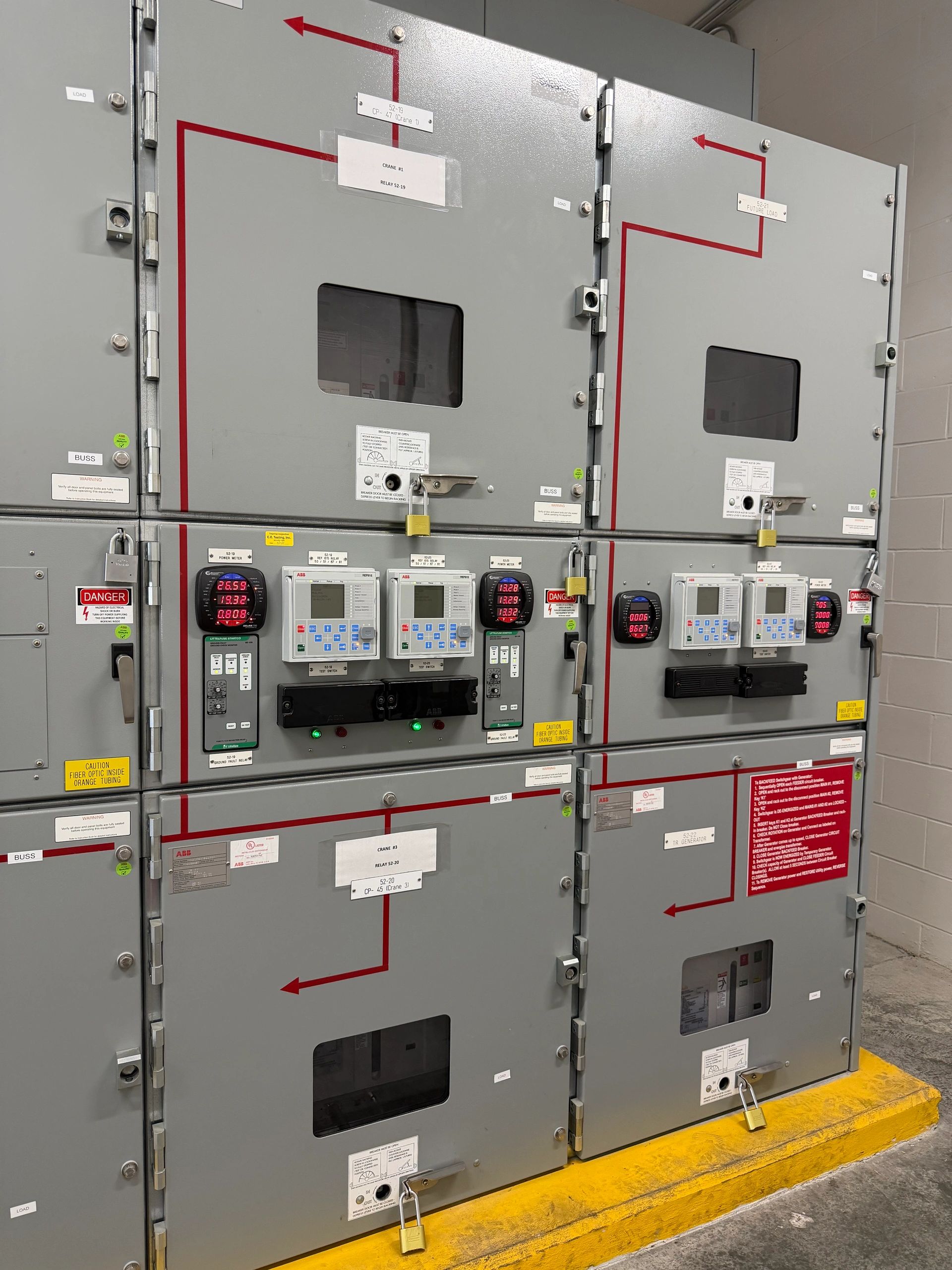
Switchgear lineup with protective relays and control devices

Request a Quote

Schedule testing, commissioning, or emergency field support.

Share your scope and schedule — a field service technician is dispatched on request. Call (321) 550-1192 or email nelson@neweratesting.com. Hours 7:00 am – 7:00 pm.

Switchgear lineup with protective relays and control devices

Request a Quote

Schedule testing, commissioning, or emergency field support.

Share your scope and schedule — a field service technician is dispatched on request. Call (321) 550-1192 or email nelson@neweratesting.com. Hours 7:00 am – 7:00 pm.

Switchgear lineup with protective relays and control devices

Create a free website with Framer, the website builder loved by startups, designers and agencies.